
-

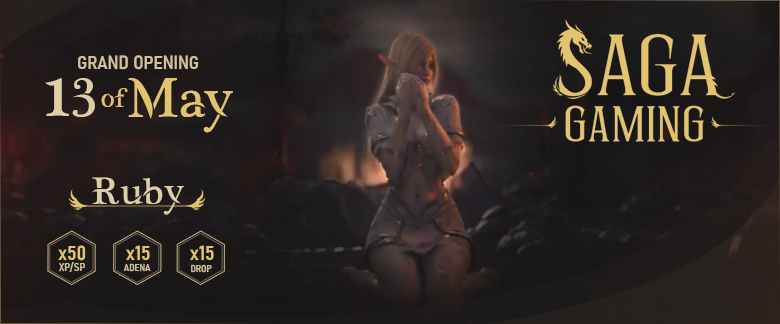
⭐ Server x50 Opening 13th of May at 22:00 GMT +3
⭐ Accounts are Auto-Created
⭐ How to Connect - Click Here

⭐ Сервер x50 Открытие 13 мая 23:00 Moscow
⭐ Аккаунты создаются автоматически
⭐ Как подключиться - нажмите здесь
-
Members
- gamebai33vip
- makeolisolis22
- filipluca
- Jameszem
- Moshevah
- James Johnny
- Esmeraldosmks
- Auroraceleste
- gordoyepsu
- tayloremilija9
- Tottaa
- POE Currency
- ZeonLau
- zurirayden
- phammanhtien222
- kubetcrcocom
- abnerdd
- george
- Evelyn Stockman
- cl.audiab.andma.nn8.3@gmai
- MichaelCrava
- Jacob
- Addison
- JacksonSmith
- jenson321
- Norma
- GreggAware
- sonnick84
- bali
- jornw
- Phanomgaming
- DanabethOzzy
- FlameNest
- lucymartin
- JustinPAX
- visualsclipping01
- mukeshsharma1106
- goedmedicine
- Woodruffs
- NYWO000
- FrostWolf
- luxurystorecc1
- Esmeraldospdk
- Georgetot
- alexarafat
- labour law
- smithenglish
- enala
- birthdaydecoration
- Antiquecut
- texcareinstrumentslimited
- Ephraim
- Denny
- Anselmrosseti
- stevejohnson
- BloodClaw83
- WilmarMartinez
- atropos
- Jackob
- backlink1d
- hydrogenn
- soumitss
- Kevin Johnson
- Kongyawen
- katharine369
- ftue543
- Alfrenoe87
- Ann5
- arialiefcapsules
- legitdumps79
- kevin obroy
- chrislewis
- smithpublicity
- Testronix Instruments
- Johnhendrick
- pearson
- jhonseina232
- keithdillon219
- Testdown00
- royjasika
- josephrock
- suhanidash557
- =Rean=
- Appslure
- HarshalJ
- snow00
- enkosia
- Wodehous
- ArcticWhisperer
- atozcity
- Nikkii
- vinithra
- Lara Davies
- Foxxii
- MarkJavier
- TFG Partners, LLC
- lilihope
- rodeoneerer
- Luxnexor
- colatvcheap
-
Ruby x50 High Five - Coming 13th of May 2022.
-
Latest Messages
-

By Jimekalmiya · Posted
In ARC Raiders, progression depends heavily on the quality of your gear and how quickly you can upgrade your loadout. From surviving intense combat encounters to pushing deeper into high-risk zones, having the right items can make a major difference in your overall performance. That’s why many players are constantly searching for the cheapest and most reliable places to get in-game items. One platform that is often recommended by players is Eznpc, known for offering competitive prices and a wide selection of ARC Raiders items. Finding affordable items is important because progression in ARC Raiders can become resource-heavy over time. Instead of spending countless hours grinding for drops or farming materials, many players choose a more efficient path by securing the items they need directly. This allows them to focus more on gameplay strategy, mission completion, and team coordination rather than repetitive farming. Eznpc stands out because it combines affordability with convenience. Players can browse available items and quickly find options that fit their needs without overpaying. This makes it especially useful for those who want to optimize their builds early or keep up with seasonal updates and difficulty spikes. Another key advantage is consistency. In a game like ARC Raiders, where updates can change the meta and introduce new challenges, having access to reliable item sources ensures you’re always prepared for what comes next. Strong gear and proper resources help reduce frustration and improve overall performance in both solo and cooperative gameplay. For players looking to save time and improve efficiency, choosing a trusted marketplace is essential. Eznpc Store provides a practical solution for those who want to get the cheapest ARC Raiders items while still enjoying a smooth and straightforward experience. In the end, better preparation leads to better results—and with the right items, you can enjoy ARC Raiders at its highest level without unnecessary grind. -
By Jimekalmiya · Posted
If you’ve been spending time in Steal a Brainrot, you already know how valuable strong Brainrots can be. Whether you’re chasing rare units or trying to stay competitive, having the right Steal a Brainrot Brainrots makes a huge difference. The real question many players face is: where can you get them safely without risking your account? One of the most trusted answers among players is U4GM. Why Safety Matters In-game trading always comes with risks. Unverified sellers, slow delivery, or unsafe transaction methods can lead to lost items—or worse, account issues. That’s why choosing a reliable platform is critical. U4GM has built its reputation by focusing on secure transactions and consistent service. For players who care about protecting their accounts while still getting what they need, that reliability is a major advantage. Skip the Random Grind Getting high-quality Brainrots in Steal a Brainrot often depends on luck, timing, and long hours of grinding. Not every player has the time—or patience—for that process. Using a marketplace like U4GM gives you a more direct path. Instead of relying on chance, you can access the Brainrots you want and immediately improve your gameplay experience. Fast Access When It Matters In a fast-moving game environment, timing is everything. Rare Brainrots don’t stay easy to obtain for long, and waiting too long can mean missing out. U4GM offers quick delivery, allowing you to act when opportunities appear instead of watching them pass by. This speed can make a real difference, especially if you’re trying to keep up with other players or take advantage of limited-time content. A Convenient Experience Beyond safety and speed, convenience is another reason players prefer U4GM. The platform is designed to make the process smooth and straightforward, reducing unnecessary steps and confusion. Instead of spending hours searching for reliable sellers or negotiating trades, you can focus on enjoying the game and building your ideal setup. If you’re wondering where to buy safe Steal a Brainrot Brainrots, U4GM Online Store stands out as a dependable choice. It combines security, fast delivery, and ease of use—making it ideal for players who want a better, more efficient way to progress in Steal a Brainrot. In the end, it’s not just about getting Brainrots—it’s about getting them safely and without hassle so you can focus on what really matters: enjoying the game. -

By Auroraceleste · Posted
Looking to build a high-performance sports betting platform that boosts user engagement and drives revenue? Plurance delivers an advanced, future-ready sports betting clone script designed for effortless scalability and long-term success. Our fully customizable and secure solution features real-time odds, diverse betting markets, multi-bet functionality, and smooth, reliable payment options. With live betting capabilities, AI-driven insights, and seamless third-party API integration, we empower you to offer a superior and immersive betting experience. Plus, we provide a cutting-edge sports betting app for users who want fast, intuitive, and on-the-go wagering. Stay ahead of the market – launch your sports betting platform today and transform the way players bet! Book a free demo Website – https://www.plurance.com/sports-betting-clone Call/WhatsApp – +918807211181 Telegram – Pluranceteck -

By POE Currency · Posted
Hey everyone, how's your sticker collection going? The first Golden Blitz event of Monopoly Go Ever After album is almost here and Partners coming soon! Now is the time to complete your sticker album, filling in any missing stickers or gold stickers. It's time to add rare gold cards to your album. If you're still struggling to find rare gold stickers, Monopoly Go Golden Blitz event starting on May 1st is the key time to collect them. The specified gold stickers for the Monopoly Go Golden Blitz would be sale at IGGM on May 1st, called "S13-Hook's Hook & S17-Fox Ferry". Act now! Don't let hesitation cost you your chance to win a rare gold sticker.
In addition to Golden Blitz event, Do you enjoy collaborating with others in Monopoly Go? Monopoly GO Partners would launch on May 2nd, run until May 7th, guess the theme of this event is called Villainous Partners. Are you ready to win exclusive rewards with your team? Please note that Partners Event is only open to players who have advanced to round 5 or higher. If you don't have reliable friends who meet these requirements, or don't have the time to climb the leaderboard, you'll likely miss out on the generous rewards. But don't worry! Monopoly Go Partners 1 To 4 Slot would be for sale at IGGM on May 2nd. Professional and resourceful players can help you complete the event in a short period of time. You'll earn all the milestone rewards without any effort, maximizing your event returns. Buying IGGM Monopoly Go Partners 1 To 4 Full Carry Slot is the shortcut to success. After buying, you'll find yourself rewarded with the event's rich rewards. Many players may be overwhelmed by the numerous online Monopoly Go products tarde service sales platforms. My buying experience may be helpful. My conclusion: IGGM is the best place to buy Monopoly Go Gold Cards and Partners 1 To 4 Full Carry Slot . IGGM has been operating in the game trading service industry for over 10 years and has extensive experience. With a high rating of 4.8 on Trustpilot and over 95% positive reviews out of over 170,000, IGGM has earned the trust of players worldwide. Its professional and enthusiastic customer service staff can resolve any issues immediately. In addition, IGGM offers instant delivery, real-time inventory, and strict adherence to its Terms of Service (ToS) to ensure a safe and reliable trading environment. IGGM fast Monopoly Go products delivery ensures most orders are completed within short time, eliminating long wait times and preventing players from missing out Golden Blitz and Partners event. Most importantly, and a key concern for many players, is price. IGGM offers competitive pricing compared to other platforms.And provide a variety of preferential plans to help players save money 1. IGGM Facebook Group:
Learn more about Golden Blitz events, join IGGM Facebook group. During each Monopoly Go Golden Blitz event, there's a raffle for gold stickers giveaways. You might just be the lucky winner. 2. IGGM VIP:
Sign up IGGM.com to be VIP, and enjoy exclusive discounts ranging from 1% to 5%, giving you access to more Monopoly Go products and services at lower prices. 3. IGGM Affiliate Program:
If you're looking for another way to increase your income or get in-game products for free, IGGM.com Affiliate Program can be meet your goal. Fill in all needed info and apply it, wait the staff reviewed, receive a unique link and share it on your social media accounts. You'll then earn commissions on sales generated through the affiliate link. In short, IGGM offers a variety of promotional programs to meet the needs of various players, allowing more players to enjoy more discounts and benefits than other platforms. Act now! Don't hesitate, seize the opportunity!
-
-
-
Recently Browsing
No registered users viewing this page.
-
Forum Statistics
-
Total Topics8,009
-
Total Posts11,825
-
-
Member Statistics
.jpg.7ffa8339f3c960ec4b72a9656484696f.jpg)