

Jump to content
  • 1200px-Flag_of_the_United_Kingdom.svg.pn
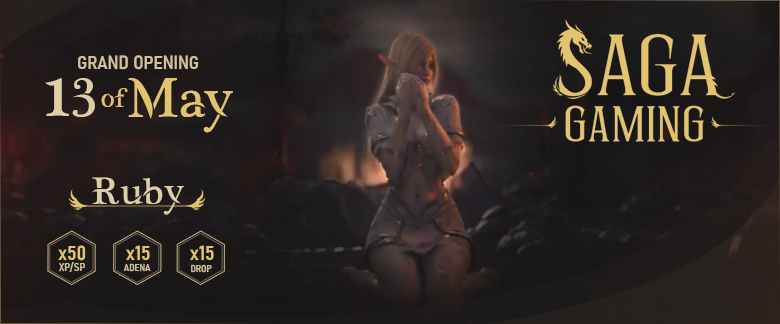
     Server x50 Opening 13th of May at 22:00 GMT +3
     Accounts are Auto-Created 
     How to Connect - Click Here

    ru.png
     Сервер x50 Открытие 13 мая 23:00 Moscow
     Аккаунты создаются автоматически
     Как подключиться - нажмите здесь

  • Ruby x50 High Five - Coming 13th of May 2022.
     

    R.png


  • Latest Messages

    • Sanctuary has never been a land for the hesitant. Every region, from the fractured peaks to the burning hellscapes, rewards preparation and punishes delay. Diablo 4 thrives on this tension, creating a gameplay loop where progression feels meaningful but often demanding. Legendary equipment, carefully rolled affixes, and build-defining uniques can dramatically change how a character performs. Yet acquiring these items usually requires time—sometimes far more than many players can spare. This is where D4 Boosting begins to reshape the experience. Instead of spending dozens of hours repeating early-tier content, many players now choose to accelerate their journey so they can focus on what truly defines Diablo 4: powerful builds and high-tier loot hunting. Boosting is not simply about speed; it is about efficiency. Entering World Tier III or IV earlier means access to Sacred and Ancestral gear, higher drop rates, and more meaningful encounters. The equipment ecosystem in Diablo 4 is layered with depth. A single well-rolled weapon can multiply damage output, while synergistic armor pieces can transform survivability. Players chasing Whirlwind Barbarian dominance or a Bone Spear Necromancer setup quickly realize that progression bottlenecks often stand between them and their ideal loadout. Faster leveling opens doors to Nightmare Dungeons where glyph upgrades and elite drops become consistent sources of power. Many experienced adventurers quietly rely on trusted marketplaces to support this transition. U4GM, for example, has built a reputation among players who value reliability without unnecessary friction. The platform is widely recognized for secure transactions, competitive pricing, and delivery speeds that respect a player’s time investment. Rather than feeling like a shortcut, it often feels like removing unnecessary grind so the real game can begin. Imagine stepping into a Nightmare Dungeon already equipped with gear appropriate for the challenge. Combat flows differently. Instead of cautiously testing each pull, characters move with authority. Damage rotations feel complete, defensive layers hold firm, and boss mechanics become tactical puzzles rather than survival tests. There is also a psychological advantage to progressing faster. Diablo 4 is at its best when experimentation is encouraged—trying new builds, pivoting into different skill trees, or optimizing stat priorities. When leveling drags, players tend to play conservatively. With momentum on their side, creativity returns. A Sorcerer might shift from Chain Lightning to Blizzard control, while a Rogue could finally explore a high-risk, high-reward Trap build. Of course, the heart of Diablo has always been the pursuit of better gear. Boosting simply positions players closer to the content where that pursuit becomes thrilling instead of repetitive. Helltides become treasure fields, World Bosses turn into scheduled opportunities, and endgame crafting starts to matter. U4GM’s subtle advantage lies in consistency. Players frequently mention that the process feels straightforward, without confusing steps or hidden complications. In a genre where trust matters, that reliability becomes part of the appeal. Ultimately, Diablo 4 is not about rushing—it is about reaching the stage where every drop has potential. When characters grow faster, the game reveals its true depth sooner. Sanctuary remains dangerous, but properly equipped heroes no longer wander blindly. They stride forward, ready to carve their legend into the darkness. And in a world ruled by demons, preparedness is often the difference between being hunted and becoming the hunter.
    • Grand Theft Auto 6 is shaping up to be one of the most ambitious entries in Rockstar Games’ storied franchise. With each release, Rockstar pushes the boundaries of open-world gaming, and GTA 6 promises a leap forward in artificial intelligence (AI), non-playable character (NPC) behavior, multiplayer systems, graphics, and player immersion. Recent patent filings, job listings, and pre-alpha leaks have provided an unprecedented glimpse into the inner workings of the game, revealing a system designed to bring Vice City and its surroundings to life like never before. In this article, we’ll explore the upcoming changes to AI, NPC interactions, dynamic terrain, graphics rendering, and GTA 6 Items, highlighting the technological innovations set to redefine the series. Next-Level AI Systems in GTA 6 Rockstar has confirmed that AI in GTA 6 will be its most advanced yet. One particularly notable patent titled “System and Method for Virtual Character Locomotion” outlines a groundbreaking approach to character animations and intelligence. Traditionally, games like GTA 5 and Red Dead Redemption 2 relied on animation trees, which store pre-recorded animations captured in motion-capture studios. These trees allow characters to transition between actions like running, jumping, or shooting, often using motion matching algorithms to ensure smooth transitions. While effective, animation trees are resource-intensive and limit the variety of NPC behaviors. GTA 6 introduces a data-driven animation system, allowing characters to react dynamically to their environment, other NPCs, and even their mood. Each NPC will possess a virtual “blackboard”, storing data about their current state, surroundings, weather conditions, and health. This enables animations to adapt on the fly—an injured NPC might limp across a street, while a happy NPC gestures energetically. This system promises previously unseen levels of immersion, making the city feel alive and reactive to player actions. For example, in the Ocean Drive scene from GTA 6’s trailer, a character sitting on the sidewalk observes passing NPCs and reacts to their presence. These dynamic reactions will be influenced by environmental cues, nearby vehicles, and social interactions, setting the stage for a world where NPCs feel genuinely intelligent rather than scripted. NPC Dialogue and Social Media Integration Rockstar’s new Los Angeles studio focuses primarily on motion capture and dialogue recording, suggesting the team is still actively developing ambient NPC interactions. Job postings for “Associate Writer – Pedestrian and Ambient Dialogue” confirm that NPCs will feature unique, character-driven lines, tailored to the world’s context. Writers are tasked with producing funny, situational, and franchise-consistent dialogue while adhering to technical constraints, indicating Rockstar is prioritizing authentic conversations over generic chatter. NPCs in GTA 6 will also integrate with in-game social media, a first for the franchise. Trailer footage reveals NPCs using phones with fully functional cameras and displays. Players might witness NPCs taking photos or videos, potentially even posting in-game content online. This opens up possibilities such as virtual TikTok-style recordings, where NPCs capture crimes, events, or player actions, adding a new layer of emergent gameplay. This system builds on GTA 5’s Rockstar Editor tech, which recreates events dynamically, enabling NPCs to record realistic content from their perspectives without pre-rendered cutscenes. Advanced Character Creation and Metadata System GTA 6 also revamps character generation and environmental population. Rockstar’s patent “System and Method for Game Object and Environment Generation” reveals a new tagging and metadata layer applied to every 3D model and texture. NPCs and objects are assigned descriptors like skinny, chubby, young, old, sporty, nerdy, or luxury, allowing procedural generation of characters and interiors with incredible diversity. For example, a movie theater scene might automatically populate NPCs with casual, nerdy, or preppy appearances depending on the context. This metadata system also enables memory optimization: a shirt hidden under a jacket might be replaced with a simplified texture to save GPU resources. The combination of tags, rulesets, and procedural generation ensures the city feels vibrant while maximizing rendering efficiency. Dynamic Terrain and Graphics Enhancements Rockstar is applying the same attention to detail to GTA 6’s environments as they did with Red Dead Redemption 2. A patented dynamic terrain system allows players, NPCs, vehicles, and objects to leave footprints, tire tracks, or craters in sand, mud, snow, or concrete. Using advanced shaders such as parallax and tessellation, the terrain visually reacts to interaction, though the ground isn’t physically deformed. This gives the world a tangible, living feel, whether you’re walking, driving, or setting off explosions. Other graphics innovations include: Ambient occlusion: Adds realistic shadows where objects meet, enhancing depth. Global illumination: Accurately simulates how light bounces off surfaces. Material tinting: Provides subtle variation in textures like clothing or building walls. These combined systems promise highly realistic, performance-optimized visuals, making GTA 6’s Vice City more immersive than any prior GTA release. Expanded NPC Interactivity and Environment Simulation NPCs will react to far more than just your presence. Appearance, hygiene, and clothing condition can affect how characters respond to you. During gameplay, NPCs might be visibly relieved or alarmed by police activity, interact with their surroundings, and even dynamically respond to environmental cues. The integration of NPC phones and social media will further enhance this immersion, with characters posting, photographing, or filming events in real-time. NPCs will also exhibit varying emotional states—tired, injured, happy, or panicked—which dynamically influence animations and interactions. This makes encounters feel less scripted and more spontaneous, elevating the narrative realism Rockstar is known for. Vehicles, Combat, and Player Tools GTA 6 introduces diverse vehicle and combat mechanics. From hovercrafts in the Everglades to classic cars like the 1970 Ford Ranchero GT, the game provides a wide range of rides. Players can switch camera perspectives for more tactical shooting, customize vehicle interiors, and utilize a new inventory system similar to Red Dead Redemption 2. Combat is also evolving: Assault rifles usable inside vehicles New weapons: Spear guns, sniper rifles, smoke grenades, flashbangs Tools for heists: Lockpicks, hacking gadgets, immobilizer bypasses These features enhance player agency, allowing more strategic and varied gameplay experiences. GTA 6 Online: Multiplayer Innovations The online component of GTA 6 will build on the success of GTA Online while addressing long-standing issues with modders and cheaters. Take-Two Interactive, Rockstar’s parent company, filed a patent for obfuscated game variables, which hides key in-game values like health, ammo, and currency to prevent manipulation. This offers robust anti-cheat measures without compromising performance. Additionally, GTA 6 Online will utilize a seamless session management system. Players can merge and split network sessions dynamically, allowing interactions across previously separate game instances. This ensures: A more realistic population density Continuous world immersion without loading screens Protection against object duplication exploits Leaked pre-alpha footage also indicates 30-player lobbies with spectator slots, peer-to-peer connections, and smoother session transitions, creating a lively and engaging multiplayer world. Immersive World Design: Map and Exploration GTA 6 will feature a vast and diverse map, covering Vice City, the Everglades, Florida Keys, and Port Gellhorn. Each region has its own rules, NPC behaviors, and police departments, reminiscent of Red Dead Redemption 2’s dynamic zones. Players can explore: Escobar International Airport: Unlock side missions Theme park and attractions: Adds tourism-driven content Aquarium: Interactive exploration for new gameplay opportunities Shops, interiors, and landmarks will follow a dynamic schedule, opening and closing based on the time of day, creating a living, breathing city. Inventory, Money, and Realistic Interaction GTA 6 introduces more interactive systems for realism: Money must be physically grabbed during robberies Inventory is limited, requiring strategic management of resources Clothing, hats, and gear can be customized for personal style Players can share ammo and resources with companions Even small touches, like interacting with gumball machines or moving bodies, contribute to immersion, making GTA 6 Money for sale a true sandbox experience where actions have consequences. Conclusion: GTA 6 as a Technological Leap Grand Theft Auto 6 represents a technological leap for open-world gaming. From AI-driven NPCs and procedural character generation to dynamic terrain and seamless multiplayer, Rockstar is creating a world that feels alive and responsive. Innovations like social media-integrated NPCs, metadata-driven asset management, and real-time terrain deformation showcase Rockstar’s commitment to pushing the boundaries of immersion. Players can expect a GTA experience that is larger, smarter, and more interactive than ever before. Every detail—from NPC dialogue and behavior to environmental realism and online gameplay—has been carefully designed to maximize immersion and authenticity. GTA 6 is poised to redefine what players expect from open-world games, promising a level of depth and interactivity that will keep fans exploring, experimenting, and engaging with Vice City for years to come.
    • Warborne: Above Ashes has steadily evolved into a game where precision, strategy, and understanding of class mechanics are essential for dominating the battlefield. Among the roster of classes, the Shadowseer stands out as one of the most uniquely versatile and strategically demanding characters. With its combination of DoT (Damage Over Time) effects, high mobility, and stacking debuffs, the Shadowseer is not only capable of inflicting devastating sustained damage but also controlling enemy effectiveness in prolonged engagements. In this guide, we will explore the Shadowseer’s abilities, delve into the nuances of skill synergy, WAA Solarbite, and provide advanced strategies to maximize effectiveness in both PvE and PvP environments. Overview of the Shadowseer The Shadowseer is a magic-based caster that thrives on channeling dark energy to weaken and dismantle opponents over time. Unlike straightforward burst classes, the Shadowseer excels at sustained damage, debuff management, and tactical positioning. Its toolkit revolves around two core mechanics: Shadow Cascade – the active skill designed for area-of-effect (AoE) damage and persistent debuffs. Umbra Resonance – a passive skill that enhances mobility and allows the Shadowseer to chain attacks and maintain pressure on enemies. This combination makes the Shadowseer particularly deadly in drawn-out fights where opponents underestimate the compounding effects of Dark Matter Venom and movement advantages. Active Skill: Shadow Cascade At the heart of the Shadowseer’s damage output lies Shadow Cascade, an active skill that channels dark energy in a sustained, high-intensity attack. Let’s break down its components and strategic uses. Mechanics and Damage Output Shadow Cascade channels for 4 seconds, during which the Shadowseer launches five dark energy spheres every 0.8 seconds. This results in a total of 25 spheres per channel, each dealing 50% Magic Damage to targets. While the immediate damage is significant, the true strength of Shadow Cascade comes from its debuff application: Dark Matter Venom. Dark Matter Venom reduces healing received by 8% per stack for 6 seconds. This debuff stacks up to 5 times, intensifying the suppression of enemy healing. Each stack of Dark Matter Venom also deals 15% Magic Damage every 2 seconds for 12 seconds, creating a secondary source of persistent damage. Effectively, the Shadowseer combines burst with a lingering effect that continues to drain enemy health even after the initial cast has ended. Strategic Applications Sustained AoE Pressure: Shadow Cascade is particularly effective in fights where enemies group together, allowing all spheres to hit multiple targets simultaneously. Overlapping channels can create near-constant DoT coverage, forcing enemies to play defensively. Healing Suppression in PvP: In team battles or duels against classes reliant on self-healing or support characters, stacking Dark Matter Venom dramatically reduces survivability, creating opportunities to secure kills that might otherwise be difficult. Safe Distance Engagements: Because Shadow Cascade is a channeled skill, the Shadowseer can maintain a relatively safe distance while applying consistent pressure. Timing the channel properly allows the Shadowseer to harass frontline targets without overextending. Skill Synergy Shadow Cascade pairs well with abilities or equipment that extend DoT duration, enhance Magic Damage, or boost debuff stacking speed. For instance: Cooldown reduction items allow the Shadowseer to chain channels more frequently. DoT amplifiers magnify the secondary damage from Dark Matter Venom. Movement-enhancing passives ensure the Shadowseer remains mobile while channeling. Understanding this synergy is crucial to fully exploiting Shadow Cascade’s dual role as a damage and control tool. Passive Skill: Umbra Resonance While Shadow Cascade delivers damage and applies debilitating effects, Umbra Resonance ensures the Shadowseer maintains mobility and battlefield presence. Mechanics Each time the Shadowseer inflicts an enemy with a DoT effect, Umbra Resonance grants +5% Movement Speed for 3 seconds. This bonus can stack up to 6 times, translating into a potential 30% movement speed increase under ideal conditions. The passive is triggered primarily through DoT effects from Shadow Cascade, but can also synergize with other DoT-based skills, items, or abilities. Strategic Implications Chaining Attacks Efficiently: Umbra Resonance allows the Shadowseer to reposition quickly after or during engagements, closing gaps or escaping when necessary. Hit-and-Run Tactics: High mobility makes the Shadowseer exceptionally effective at hit-and-run tactics, especially in PvP scenarios where staying in one spot too long can be fatal. Enhanced Map Control: Speed bonuses help the Shadowseer traverse the battlefield, reach high-priority targets, and apply pressure across multiple zones of combat. The interplay between Shadow Cascade’s debuff application and Umbra Resonance’s movement speed creates a feedback loop: the more DoTs the Shadowseer applies, the faster and more agile they become, maintaining pressure while staying elusive. Optimal Build Strategies The Shadowseer’s power lies in strategic layering of damage, debuffs, and mobility. Here are key approaches to consider when designing a Shadowseer build: PvE (Player vs Environment) AoE-Focused Builds: Focus on maximizing Magic Damage and DoT potency to handle groups of enemies efficiently. Items that increase channeled skill damage or prolong DoT duration are particularly valuable. Sustain and Survival: Equip gear that enhances defensive stats or provides shields, as Shadow Cascade requires channeling and can leave the caster vulnerable if interrupted. Cooldown Management: Skills that reduce channel cooldowns allow near-constant application of Shadow Cascade, ensuring enemies are always under Dark Matter Venom. PvP (Player vs Player) Debuff and Harass: Focus on amplifying Dark Matter Venom stacks to suppress healing and pressure enemy supports or high-priority targets. Mobility-Centric Builds: Umbra Resonance becomes critical in PvP, allowing Shadowseers to dodge, kite, and reposition rapidly while continuing to apply pressure. Chain Combos: Combine Shadow Cascade with stuns, slows, or other DoT skills to lock down targets, maximize damage, and prevent counterattacks. Advanced Shadowseer Tactics For players looking to elevate their Shadowseer gameplay beyond basic mechanics, consider the following advanced tactics: 1. Layered Dark Matter Venom Timing is critical to maximize the DoT damage. By carefully sequencing Shadow Cascade channels and overlapping debuff applications, the Shadowseer can ensure enemies are perpetually afflicted with Dark Matter Venom, creating near-constant pressure. 2. Hit-and-Kite Strategy Thanks to Umbra Resonance, the Shadowseer can kite effectively: applying Shadow Cascade, triggering movement speed bonuses, retreating to a safer distance, and repeating the process. This tactic works exceptionally well against melee-heavy opponents. 3. Target Prioritization Supports and Healers: Debuffing these targets first can shift the balance of a fight. High-Value Damage Dealers: Applying Dark Matter Venom reduces survivability, allowing your team to secure eliminations efficiently. Grouped Enemies: The AoE of Shadow Cascade allows simultaneous pressure on multiple targets. 4. Synergistic Team Play When playing in a team, coordinate with allies who can capitalize on weakened enemies. Mages, archers, or burst-damage allies can follow up immediately on targets afflicted by Dark Matter Venom, ensuring kills are secure. Common Mistakes to Avoid Overextending During Channeling: While Shadow Cascade cannot be interrupted, being in the wrong position makes the Shadowseer vulnerable to flanking or crowd-control effects. Ignoring Mobility: Umbra Resonance is a core aspect of survival; failing to leverage movement bonuses limits the Shadowseer’s effectiveness. Mismanaging DoT Stacks: Simply casting Shadow Cascade is not enough—maximizing Dark Matter Venom stacks requires careful attention to timing and target prioritization buy WAA Solarbite. Recommended Gear and Attributes To fully exploit the Shadowseer’s potential, consider gear and attribute choices that enhance both damage and survivability: Magic Damage Amplifiers: Increases Shadow Cascade sphere damage and DoT potency. Cooldown Reduction Items: Allow faster cycling of Shadow Cascade. Movement Enhancers: Complement Umbra Resonance, increasing overall battlefield mobility. Health and Resistances: Mitigate vulnerabilities during channeled casts. Conclusion The Shadowseer in Warborne: Above Ashes represents a masterclass in sustained damage, battlefield control, and strategic positioning. By combining Shadow Cascade’s layered Dark Matter Venom with Umbra Resonance’s mobility bonuses, the Shadowseer becomes a force capable of dominating prolonged engagements and outmaneuvering opponents. Success with the Shadowseer requires careful timing, precise target selection, and an understanding of the delicate interplay between DoT application and movement. Whether harassing enemy healers in PvP, clearing dense mobs in PvE, or maintaining map control for your team, the Shadowseer rewards players who embrace its unique mechanics and leverage its strategic depth. For players seeking a high-skill, high-reward caster in Warborne: Above Ashes, the Shadowseer is not just a choice—it’s a declaration of mastery over the dark arts of war.
    • Massively multiplayer games live and die by how well they bring players together—or pit them against one another. In Odin: Valhalla Rising, few systems embody that philosophy better than Domain Conquest, a large-scale guild warfare feature designed to test coordination, strategy, and raw combat prowess. Unlike simple PvP modes that reward individual skill alone, Domain Conquest is about organized chaos: dozens of players fighting for territory, buffs, and long-term dominance across the world. At its core, Domain Conquest allows guilds to compete over strategic camps scattered across multiple regions. Victory grants tangible benefits that strengthen a guild’s presence in the world, while defeat forces players back to the drawing board. It’s a cyclical, seasonal system that ensures the battlefield is never static and no guild’s reign lasts forever. This guide breaks down everything you need to know about Domain Conquest in Odin Valhalla Rising Diamonds—from schedules and rules to battle flow and rewards—so your guild can enter prepared instead of overwhelmed. What Is Domain Conquest? Domain Conquest is a guild-based PvP activity where multiple guilds fight to capture, destroy, or relocate camps across the game world. These camps act as territorial strongholds that grant occupation buffs and occupation points, which can be enhanced over time to provide powerful bonuses for guild members. Unlike open-world PvP skirmishes, Domain Conquest is structured, time-gated, and highly competitive. Guild leaders must strategically choose when and where to declare war, while members coordinate attacks, defend flags, and control key objectives under intense pressure. Every Domain Conquest season resets the board, ensuring that even the strongest guilds must re-establish dominance from scratch. Domain Conquest Schedule and Seasonal Structure Domain Conquest operates on a monthly seasonal cycle, with each season beginning on the first day of every month. Season Reset Rules When a season ends: All Domain conquest statuses are reset Every camp becomes unoccupied All existing occupations, buffs, and progress are cleared This reset system ensures that territory control never becomes permanent and encourages ongoing competition. No matter how dominant a guild was in the previous season, they must fight again to reclaim their position. Season Start Mechanics At the start of a new season: Up to three guilds can declare war on an unoccupied camp Camps immediately become available for conquest Strategic early declarations often determine the power balance for the rest of the month Early momentum matters, and guilds that organize quickly can secure high-value camps before competition intensifies. Understanding Domain Camps Domain Camps are the physical locations your guild will fight over. These camps are spread across multiple worlds and regions, each tied to specific hunting grounds and potential buffs. Viewing Camp Information You can access camp data through the World Map, which displays: A list of camps in the current world The conquest status of each camp Associated hunting grounds First-time conquest rewards War declaration options This overview allows guild leaders to make informed decisions before committing to a battle. Guild Camp Information and Occupation Management Once your guild occupies a camp, additional management tools become available through the Guild Info menu. Here, guild leaders can monitor: Current camp status Occupation points gained per day Available and accumulated occupation points Active occupation buffs and enhancement options It’s important to note: Guilds without an occupied camp cannot access or enhance buffs Occupation buffs apply to world content, not just PvP If a guild becomes inactive and is disbanded, all occupied camps are automatically abandoned This creates constant pressure to remain active and organized. Domain Camp Locations Across the World Domain Conquest spans multiple regions, each with its own set of camps: Jotunheim Southern Moorlands Idunn’s Garden Primeval Battlefield Evil Dragon’s Lair Frost Gorge Entrance Harpy’s Nest Fanged Giants’ Lair Void Canyon Nidavellir Blizzard Snowplains Graverobbers’ Fort Screeching Plains Andvari’s Smithy Howling Cliffs Dvergr Settlement Alfheim Moonrest Woods Bear Forest Infernal Woods Void Plains Each camp offers different strategic value depending on location, buffs, and hunting grounds, making camp selection a critical decision. Domain Conquest Guidelines and Declaration Rules Domain Conquest unfolds in four structured phases, each with strict rules. Phase 1: Declare War War declaration window: 14:00–24:00 daily Declarations recharge every Monday (2 charges) Only guild leaders of level 3 or higher guilds may declare You may only declare war on one camp per declaration Declarations cannot be canceled once made Phase 2: Conquest Preparation Up to three guilds may contest an unoccupied camp Occupied camps trigger a 1v1 conquest Alliances are locked once the conquest begins Phase 3: Domain Conquest Battle Attack and defense roles shift dynamically based on flag control Combat focuses on controlling the central objective rather than pure kill counts Phase 4: Conquest End The guild holding the flag at the end of the battle wins the camp During any declaration or conquest phase, guild administrative actions such as joining, leaving, or disbanding are disabled. Battle Process Overview Conquest Start For unoccupied camps: A 20-minute declaration window opens after the first declaration Up to three guilds may declare war A 10-minute preparation phase follows For occupied camps: A 30-minute preparation phase begins immediately All participants should use this time to organize roles, assign squads, and prepare consumables. Domain Conquest Combat Mechanics Once the battle begins: Players interact with the camp’s flag for 10 minutes to gain control Flag holders are marked with a special effect and appear on the Perimeter Scan list Flag interaction takes priority over attacking nearby players If only one guild declares on an unoccupied camp, a Camp Guardian NPC will appear to defend it, ensuring the battle still poses a challenge. Death rules are also adjusted: No XP loss for deaths between participating guilds XP loss still applies if killed by field monsters or non-participants This encourages aggressive play without fear of long-term penalties. Ending a Domain Conquest When the conquest ends: The victorious guild gains control of the camp An 8-hour protection period begins, preventing new war declarations Each guild may only own one camp at a time If the camp is not captured within the allotted time, the attempt fails. In rare cases of abnormal termination, all declarations and battles are restored. Abandoning a Camp Guilds have the option to abandon a camp at any time during a Domain Conquest. When abandoning: Ownership transfers to the declaring guild All occupation points and buff levels are reset Abandonment is immediate and irreversible This option allows guilds to cut losses strategically rather than waste resources on a losing defense. Conquest Results and PvP Handling At the end of each conquest: A results screen displays player contributions Detailed combat logs and rankings are available for review During Domain Conquest: Participating guilds are marked as hostile to one another Brute and Butcher PvP penalties are suspended PK actions during conquest are not tracked However, players already flagged as Brute or Butcher retain their penalties regardless of conquest participation. Conquest Benefits: Why Domain Conquest Matters Occupation Points Guilds earn occupation points by: First-time occupation at the start of a season Defeating monsters in the camp’s hunting grounds These points are the currency used to activate and enhance occupation buffs. Occupation Buffs Each camp provides a unique occupation buff, offering bonuses that can significantly impact world content performance. Key rules include: Buffs are randomly reassigned each season Buffs stay within their world group (Alfheim buffs won’t appear in Jotunheim) Losing or abandoning a camp resets all buffs and points Only guild leaders can activate or enhance buffs Because buffs rotate seasonally, long-term success requires adaptability rather than reliance on a single setup. Final Thoughts: The Heart of Guild Competition Domain Conquest is more than just another PvP mode in Odin: Valhalla Rising—it’s the backbone of guild competition and long-term progression. It rewards preparation, communication, and strategic thinking just as much as raw combat power buy Valhalla Rising Diamonds. For guilds willing to coordinate and commit, Domain Conquest offers some of the most intense and rewarding gameplay in the entire MMO. For those who underestimate it, the battlefield is unforgiving. In a world shaped by gods and war, territory isn’t given—it’s taken.
  • unknown (1).jpg
    @L2Saga
    Join our telegram for Announcement & Unique Rewards!

    Telegram

  • Recently Browsing

    No registered users viewing this page.

  • Forum Statistics

    • Total Topics
      6,953
    • Total Posts
      10,459
  • Member Statistics

    • Total Members
      5,256
    • Most Online
      676

    Newest Member
    jonopaul
    Joined
×